Candle Wick Size Guide: How to Choose the Right Wick
Learn how to select the correct wick size for your candles. Includes wick size charts by diameter, wax type recommendations, and testing procedures for perfect burns.
Quick Answer
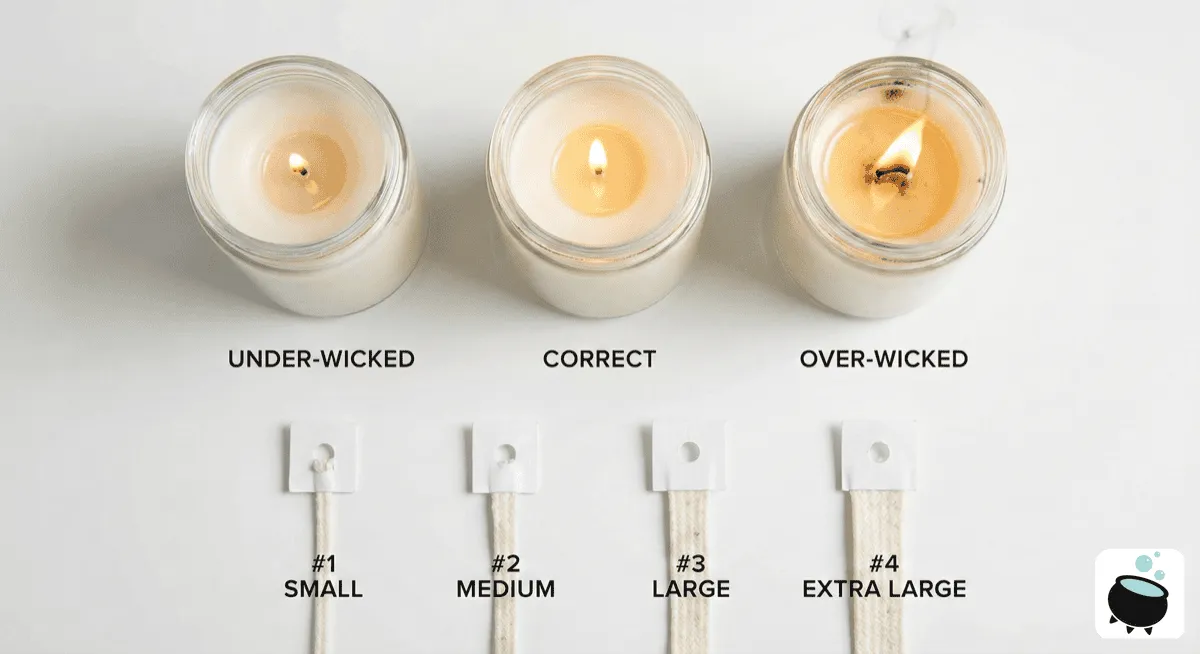
Wick size depends on candle diameter and wax type. General rule: match wick series to wax type (cotton for soy, paper-core for paraffin), then select size based on container diameter. A 3-inch diameter soy candle typically needs a medium CD or ECO wick. Always test multiple sizes.
Why Wick Sizing Matters
The wick is the engine of your candle. Wrong wick size causes:
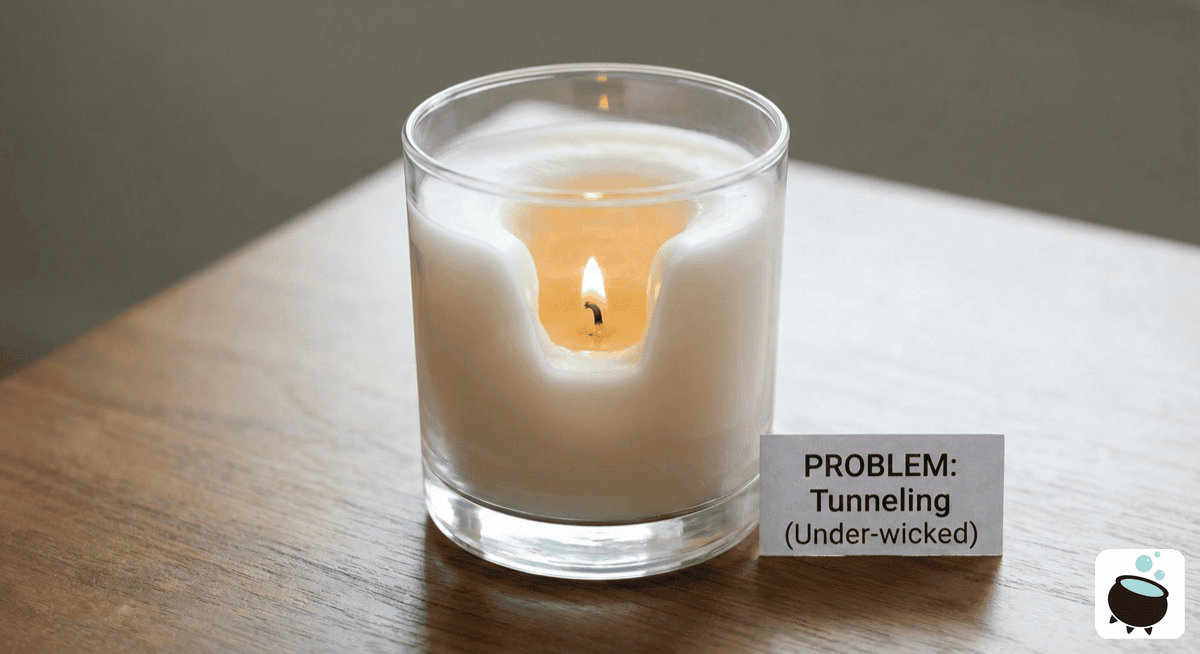
Too Small (Under-wicked):
- Tunneling (wax left on sides)
- Poor scent throw
- Wick drowning
- Wasted wax
Too Large (Over-wicked):
- Excessive sooting
- Fast burn (short candle life)
- Overheating container
- Fire hazard
- Mushrooming
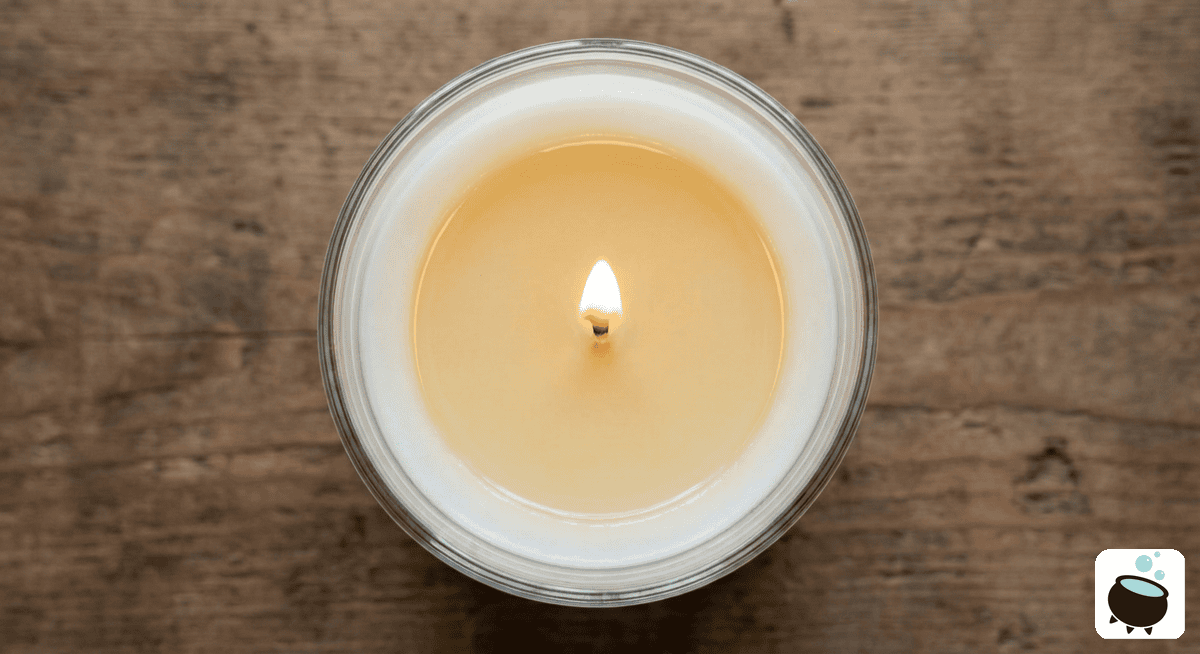
Getting it right means even burns, optimal scent throw, and safe candles.
Understanding Wick Types
Cotton Wicks (CD, ECO, LX Series)
Best for: Soy wax, coconut wax, natural blends
| Series | Characteristics | Best Use |
|---|---|---|
| CD | Flat braided, curls when burning | Soy, palm, vegetable waxes |
| ECO | Paper threads, good rigidity | Soy, paraffin blends |
| LX | Coreless, flat braid | Paraffin, soy |
Paper Core Wicks
Best for: Paraffin, votives, container candles
Rigid center helps wick stay upright. Common choice for paraffin container candles.
Wood Wicks
Best for: Aesthetic appeal, crackling sound
Require specific testing. Sizing differs from cotton wicks.
Zinc/Metal Core
Note: Less common due to environmental concerns. Still used in some applications.
Wick Sizing by Diameter
Soy Wax Container Candles
| Diameter | CD Series | ECO Series |
|---|---|---|
| 2.0" | CD-4 to CD-6 | ECO-2 to ECO-4 |
| 2.5" | CD-6 to CD-8 | ECO-4 to ECO-6 |
| 3.0" | CD-8 to CD-12 | ECO-6 to ECO-10 |
| 3.5" | CD-12 to CD-16 | ECO-10 to ECO-12 |
| 4.0" | CD-16 to CD-20 | ECO-12 to ECO-14 |
Paraffin Container Candles
| Diameter | LX Series | Paper Core |
|---|---|---|
| 2.0" | LX-10 to LX-14 | 44-24-18 |
| 2.5" | LX-14 to LX-16 | 44-32-18 |
| 3.0" | LX-16 to LX-20 | 51-32-18 |
| 3.5" | LX-20 to LX-22 | 60-44-18 |
| 4.0" | LX-22 to LX-26 | 60-52-18 |
Note: These are starting points. Always test multiple sizes.
Factors That Affect Wick Choice
Wax Type
Different waxes burn differently:
- Soy: Burns cooler, needs larger wicks
- Paraffin: Burns hotter, needs smaller wicks
- Coconut: Similar to soy
- Beeswax: Burns very hot, needs small wicks
Fragrance Load
Higher fragrance loads may need larger wicks. Fragrance affects burn characteristics.
Dye/Color
Heavy dye loads can affect wicking. Dark colors sometimes need slightly larger wicks.
Container Material
Glass retains heat differently than tin or ceramic. May affect wick performance.
Ambient Temperature
Candles burn differently in warm vs. cold rooms. Test in realistic conditions.
The Wick Testing Process
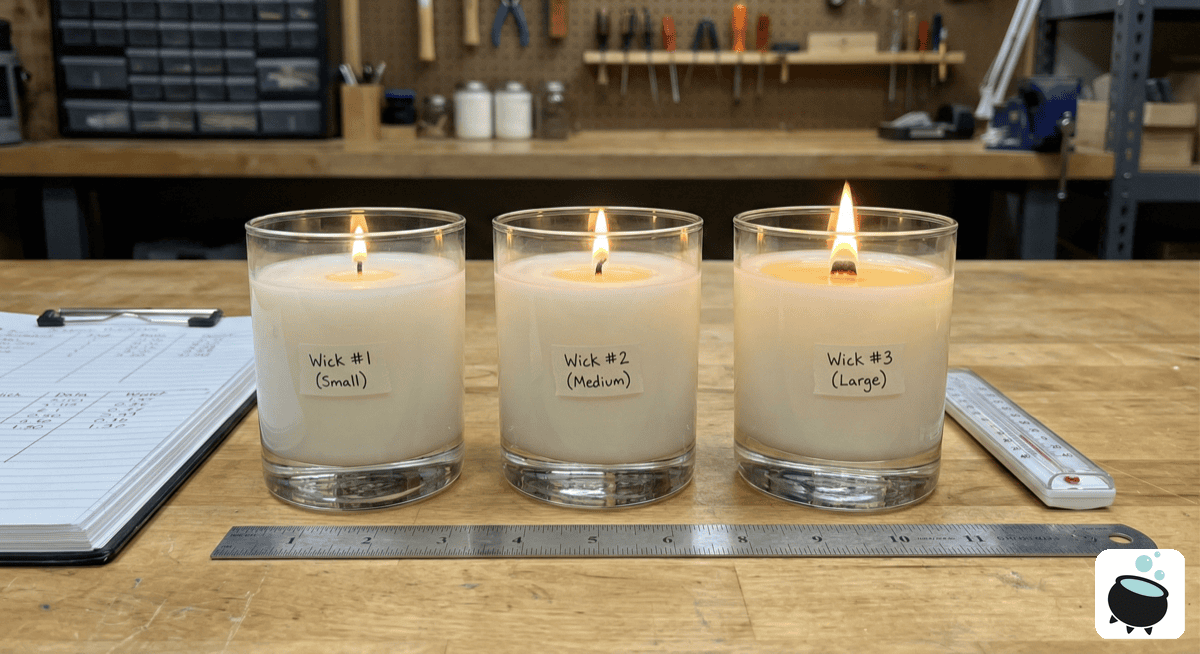
Step 1: Select Test Sizes
Choose 3 wick sizes:
- One smaller than recommended
- Recommended size
- One larger than recommended
Step 2: Make Identical Test Candles
Same wax, fragrance, colorant, container. Only variable is wick size.
Step 3: Conduct Burn Tests
Burn each candle for 1 hour per inch of diameter:
- 3" candle = 3 hour burn
- 4" candle = 4 hour burn
Step 4: Evaluate Results
After burn test, measure:
| Metric | Good Result |
|---|---|
| Melt pool | Edge to edge |
| Melt pool depth | 1/4" to 1/2" |
| Flame height | 3/4" to 1.5" |
| Mushrooming | Minimal or none |
| Soot | None on container |
| Wick position | Centered, upright |
Step 5: Document and Repeat
Record results. Repeat test if needed with adjusted sizes.
Reading Wick Test Results
Signs of Under-Wicking
| Observation | Meaning |
|---|---|
| Melt pool doesn't reach edges | Wick too small |
| Tunneling | Wick too small |
| Flame small or drowning | Wick too small |
| Scent throw weak | Likely under-wicked |
Solution: Try next size up.
Signs of Over-Wicking
| Observation | Meaning |
|---|---|
| Flame too tall (>2") | Wick too large |
| Excessive mushrooming | Wick too large |
| Black soot on container | Wick too large |
| Candle burns too fast | Wick too large |
| Container very hot | Wick too large—safety issue |
Solution: Try next size down.
Signs of Correct Wicking
| Observation | Meaning |
|---|---|
| Full melt pool in 3-4 hours | Correct size |
| Flame 1-1.5" tall | Correct size |
| Minimal mushrooming | Correct size |
| No soot | Correct size |
| Good scent throw | Correct size |
Wick Centering and Preparation
Proper Wick Prep
- Tab attachment - Secure wick in wick tab
- Centering - Use wick centering device
- Straightening - Ensure wick is vertical
- Priming (optional) - Pre-wax for cotton wicks
Centering Methods
- Wick centering devices (plastic or metal)
- Chopsticks/pencils across container top
- Wick stickers on container bottom
- Hot glue wick tab in place
Multi-Wick Candles
Large candles (4"+ diameter) often need multiple wicks:
| Diameter | Wick Configuration |
|---|---|
| 4.0-4.5" | 2 wicks or 1 large |
| 5.0"+ | 2-3 wicks |
| 6.0"+ | 3-4 wicks |
Space wicks evenly. Each wick covers its "zone" of the melt pool.
Frequently Asked Questions
Why does my candle tunnel even with the right wick?
First burn matters. Burn until full melt pool forms (3-4 hours). If you extinguish early, wax "remembers" the small melt pool and continues tunneling.
Can I use the same wick for different fragrances?
Test each fragrance. Some scents alter burn characteristics. What works for vanilla may not work for complex blends.
How do I know which wick series to use?
Start with your wax supplier's recommendations. Most soy wax suppliers suggest CD or ECO series. Paraffin suppliers typically recommend LX or paper core.
Why does my wick mushroom?
Some mushrooming is normal. Excessive mushrooming indicates over-wicking or carbon buildup. Try trimming wick to 1/4" before each burn or size down.
Do I need to test wicks for every container?
Yes. Container size, shape, and material all affect burn. A wick that works in one container may not work in another.
How long should I burn test?
Minimum 4 hours per inch of diameter for each test candle. Ideally, burn test through the entire candle to check performance at all levels.
Conclusion
Wick selection is part science, part testing. Charts provide starting points, but only burn testing confirms the right wick for your specific combination of wax, fragrance, colorant, and container.
Document your wick tests carefully. Record what worked and what didn't. Over time, you'll build a reference of proven wick/container combinations for your product line.
Candle making software can help track your testing results and store proven wick combinations with your recipes, ensuring consistent results across production batches.
Ready to Manage Your Recipes Like a Pro?
PotionHub helps soap and candle makers calculate lye, track batches, manage inventory, and grow their business.
Get PotionHub