Hot Process vs Cold Process Soap: Complete Comparison Guide
Understand the differences between hot process and cold process soap making. Learn which method is right for you, with pros, cons, and detailed process breakdowns.
Quick Answer
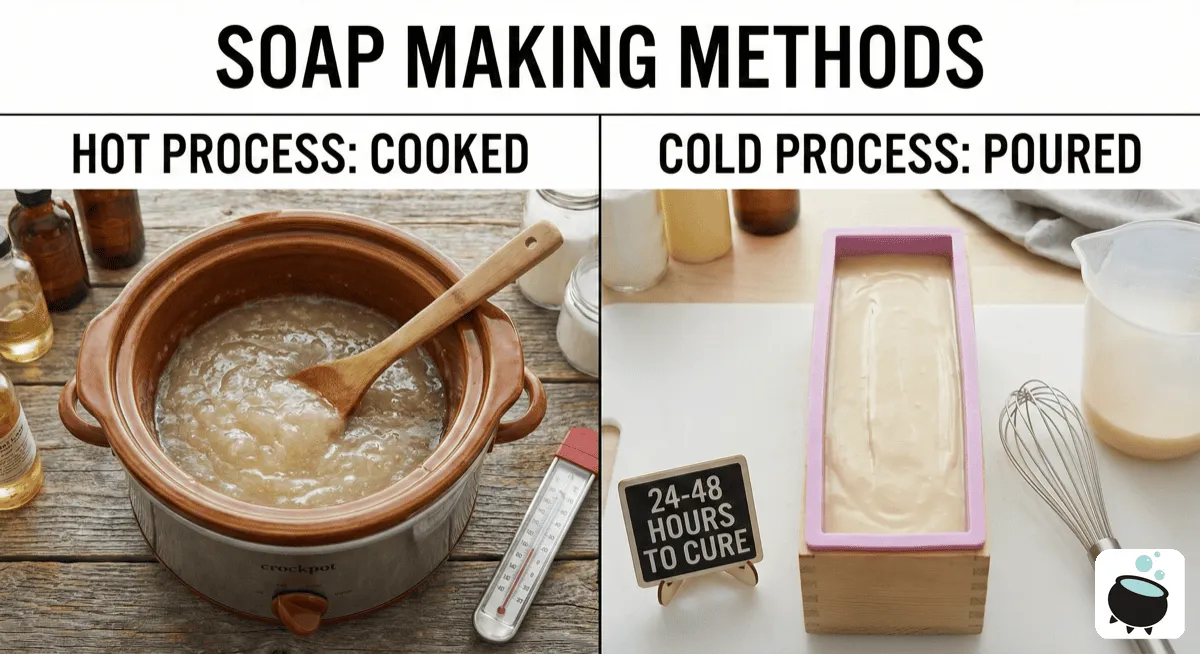
Cold process soap is made by mixing lye and oils at low temperatures, then curing for 4-6 weeks. Hot process soap uses heat to accelerate saponification, making soap usable within days. Cold process allows intricate designs; hot process is faster and ensures complete saponification.
The Fundamental Difference
Both methods create real soap through saponification—the chemical reaction between lye and oils. The difference is when and how this reaction occurs.
Cold Process: Saponification happens slowly after pouring into molds. Takes weeks.
Hot Process: Saponification is accelerated with heat during cooking. Takes hours.
Cold Process Soap Making
The Process
- Prepare lye solution - Dissolve lye in water, let cool
- Heat oils - Melt solid oils, combine with liquid oils
- Mix - Combine lye solution and oils at similar temperatures
- Blend to trace - Use stick blender until mixture thickens
- Add extras - Fragrance, color, additives
- Pour into mold - Smooth and design as desired
- Cover and insulate - Let gel phase occur
- Unmold - After 24-48 hours
- Cut - Into individual bars
- Cure - 4-6 weeks minimum
Cold Process Advantages
| Advantage | Explanation |
|---|---|
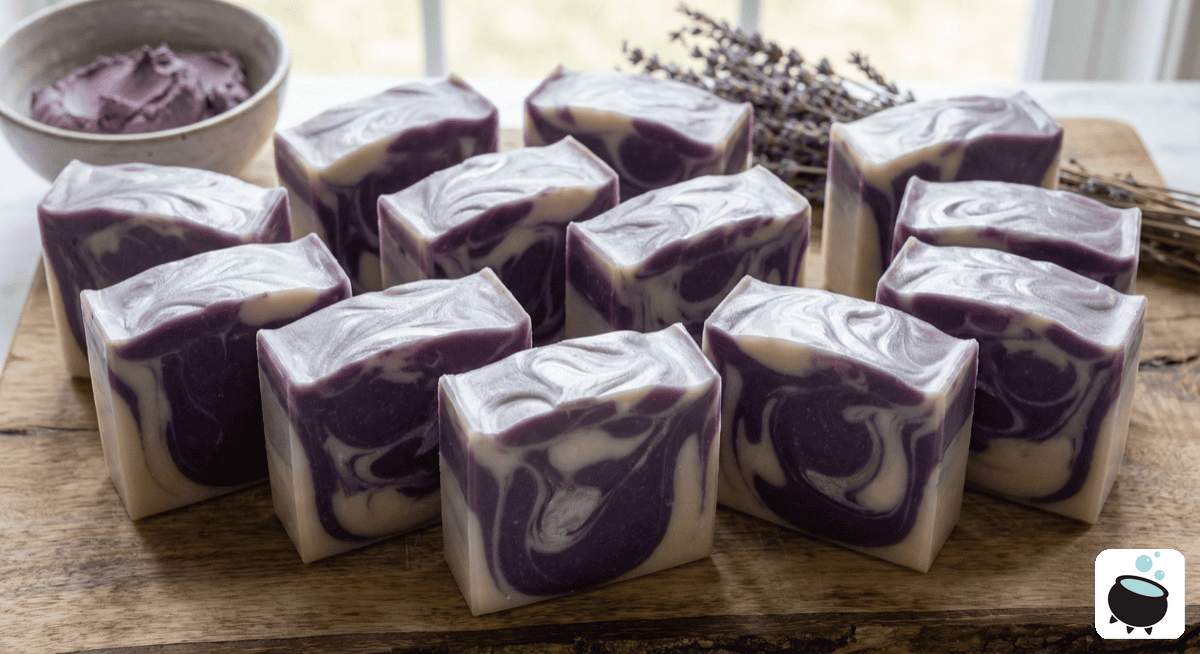
| Smooth texture | Pourable batter creates uniform bars |
| Design flexibility | Swirls, layers, embeds, detailed designs possible |
| Lower equipment needs | No cooking required |
| Precise control | Slow trace allows careful work |
| Traditional appearance | Classic, polished soap look |
Cold Process Disadvantages
| Disadvantage | Explanation |
|---|---|
| Long cure time | 4-6 weeks before use/sale |
| Delayed results | Can't test until cured |
| Fragrance retention | Some scents fade during cure |
| Inventory tied up | Weeks of unsellable product |
| Superfatting less precise | Can't choose specific oil to superfat |
Hot Process Soap Making
The Process
- Prepare lye solution - Same as cold process
- Heat oils - Melt and warm oils
- Combine at temperature - Mix lye and oils while warm
- Blend to trace - Stick blend until thick
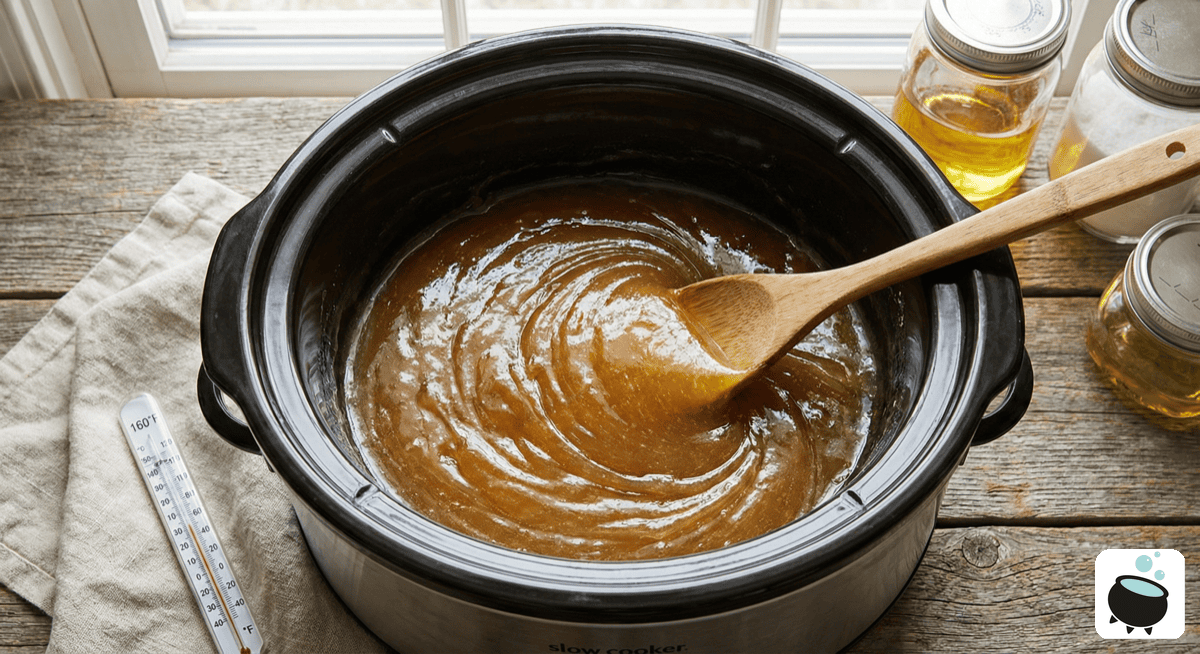
- Cook - In slow cooker, oven, or double boiler
- Monitor stages - Applesauce → vaseline → mashed potato texture
- Test for doneness - Zap test or pH testing
- Add extras - Fragrance, color after cooking
- Mold - Scoop into molds, pack firmly
- Unmold - Within 24 hours
- Minimal cure - Usable in days (though curing improves hardness)
Hot Process Advantages
| Advantage | Explanation |
|---|---|
| Fast turnaround | Usable in 1-7 days |
| Complete saponification | Cooking ensures reaction is done |
| Lower fragrance loss | Added after cooking |
| Precise superfatting | Can add specific oil at end |
| Earlier sale | Less inventory in cure stage |
| Rustic aesthetic | Appeals to some customers |
Hot Process Disadvantages
| Disadvantage | Explanation |
|---|---|
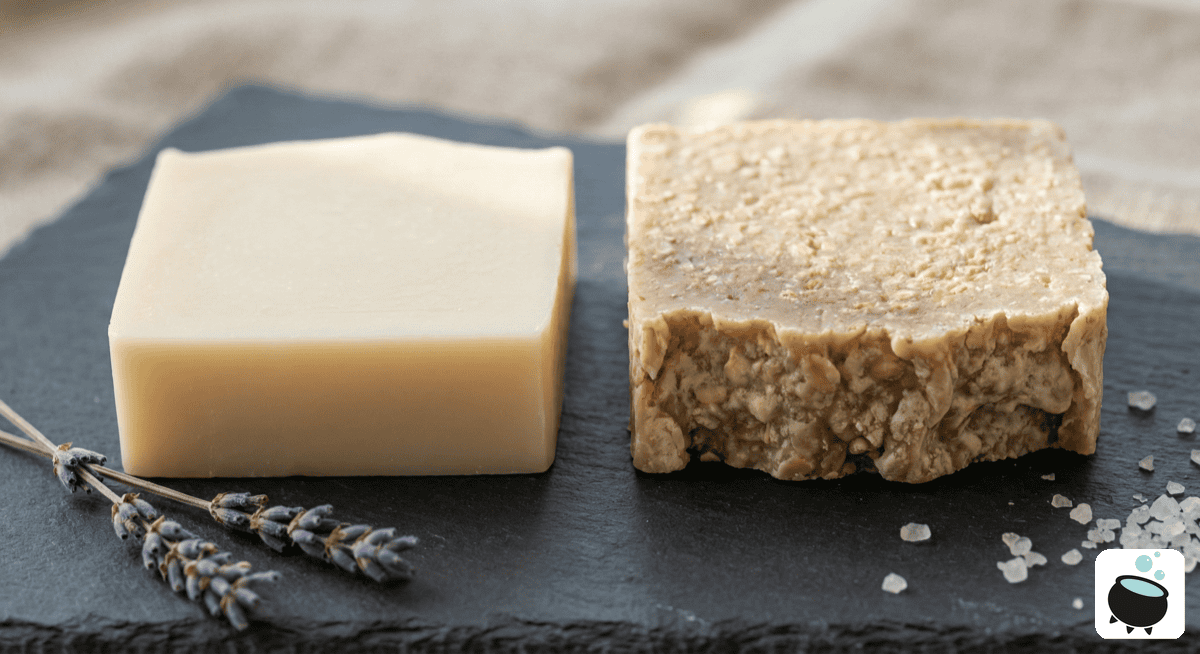
| Rustic texture | Lumpy, less refined appearance |
| Limited designs | Too thick for detailed swirls |
| More attention required | Must monitor cooking process |
| Equipment needed | Slow cooker or dedicated cooking vessel |
| Harder to work with | Thick batter difficult to mold |
Side-by-Side Comparison
| Factor | Cold Process | Hot Process |
|---|---|---|
| Time to use | 4-6 weeks | 1-7 days |
| Appearance | Smooth, polished | Rustic, textured |
| Design options | Unlimited | Limited |
| Equipment | Basic | Cooking vessel needed |
| Skill level | Intermediate | Beginner-friendly |
| Fragrance retention | Variable | Better |
| Batch size flexibility | Any size | Limited by cooker |
| Active time | 30-60 min | 1-3 hours |
| Texture control | High | Low |
| Energy use | Lower | Higher |
Which Method Should You Choose?
Choose Cold Process If:
- You want smooth, professional-looking bars
- Design work is important to you (swirls, layers)
- You can wait for cure time
- You prefer less active monitoring
- You make larger batches
- You sell at retail (customers expect polished look)
Choose Hot Process If:
- You need soap quickly
- You prefer a rustic, natural aesthetic
- Fragrance retention is critical
- You want complete saponification certainty
- You're selling at farmers markets (fast turnaround)
- You want to superfat with a specific oil
Choose Both If:
Many soap makers use both methods strategically:
- Cold process for gift sets and retail
- Hot process for quick market inventory
- Hot process for testing new fragrances
- Cold process for signature designs
Converting Recipes Between Methods
Good news: the same recipe works for both methods. Lye calculations don't change.
What to adjust:
| Factor | Cold Process | Hot Process |
|---|---|---|
| Water amount | Standard | Can use less (cooks off) |
| Superfat timing | With oils | After cooking |
| Fragrance amount | Standard | Can use slightly less |
| Additives | At trace | After cooking |
Temperature Guidelines
Cold Process
- Lye solution: 100-130°F (38-54°C)
- Oils: 100-130°F (38-54°C)
- Match within 10° of each other
Hot Process
- Combine at any warm temperature
- Cooking temperature: 180-200°F (82-93°C)
- Add fragrance below 160°F (71°C)
Common Questions About Both Methods
Is one method safer than the other?
Both involve working with lye. Hot process has additional burn risks from the cooking vessel. Follow safety protocols for both.
Can I add the same fragrances to both?
Yes, but hot process retains fragrance better since it's added after the cooking (saponification) process.
Which method makes better soap?
Neither is objectively "better." Both create real soap with similar skin feel after curing. Preference depends on aesthetic and business needs.
Do I need different equipment?
Hot process requires a slow cooker, oven-safe pot, or double boiler. Otherwise, equipment is similar.
Frequently Asked Questions
Can you use the same recipe for hot and cold process soap?
Yes, identical recipes work for both methods. Lye calculations remain the same. You may adjust water amount slightly for hot process.
Why does hot process soap look different?
The thick, cooked soap batter doesn't pour smoothly like cold process. It must be scooped and packed, creating a rustic, textured appearance.
How do I know when hot process is done cooking?
The soap passes through stages (applesauce, vaseline, mashed potato). It's done when it's translucent, doesn't burn your tongue (zap test), and pH is 8-10.
Does cold process soap need to cure if it's already saponified?
Yes. While saponification largely completes within 48 hours, cure time evaporates excess water, resulting in harder, longer-lasting bars with milder lather.
Can I do swirls in hot process soap?
Limited swirls are possible if you work quickly, but the thick texture prevents detailed designs common in cold process.
Which method is better for beginners?
Opinions vary. Hot process has more steps but confirms complete saponification. Cold process requires less monitoring but needs patience for cure time. Many instructors recommend cold process for beginners due to simpler equipment needs.
Conclusion
Neither hot process nor cold process is universally "better." Cold process offers design flexibility and smooth aesthetics; hot process provides speed and certainty. Many successful soap makers use both methods depending on their needs.
Regardless of method, accurate recipes and measurements matter most. Soap making software helps track recipes, calculate lye amounts, and manage batches for both cold and hot process production.
Choose the method that matches your aesthetic preferences, business timeline, and equipment availability—then master it before expanding to the other.
Ready to Manage Your Recipes Like a Pro?
PotionHub helps soap and candle makers calculate lye, track batches, manage inventory, and grow their business.
Get PotionHub