Soap Curing Guide: How Long to Cure and Why It Matters
Learn everything about soap curing: why cold process soap needs 4-6 weeks, how to cure properly, what happens during the cure, and signs your soap is ready to use.
Quick Answer
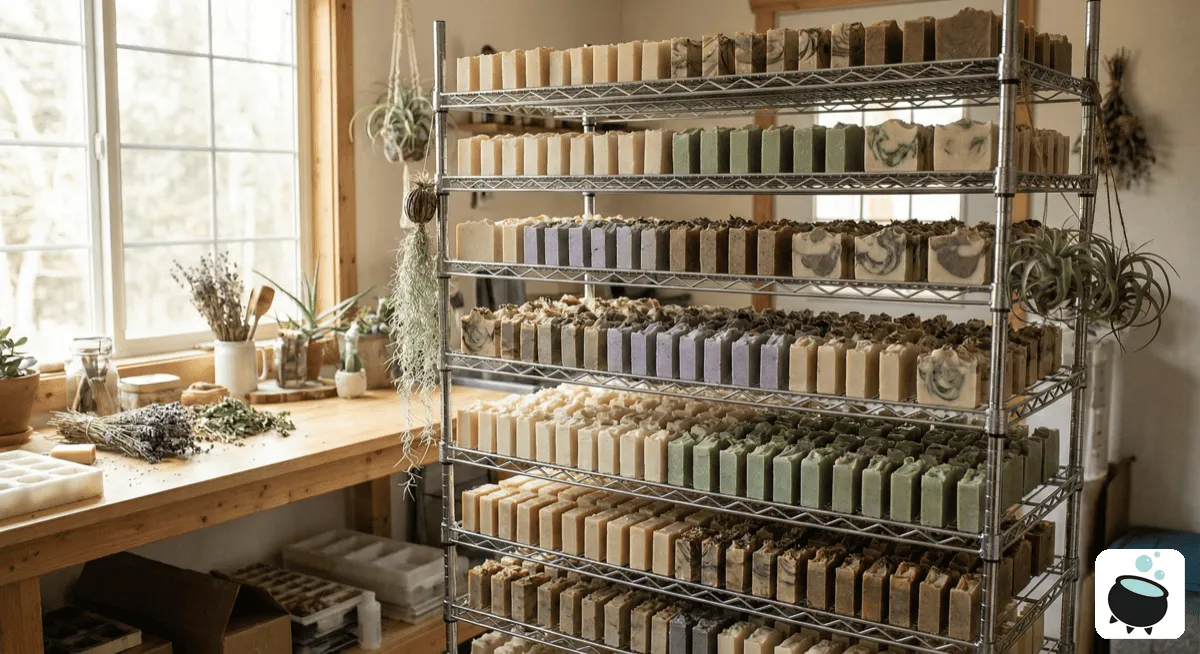
Cold process soap should cure for 4-6 weeks minimum. During this time, excess water evaporates, making bars harder and longer-lasting. The saponification reaction completes, and pH stabilizes. Harder bars with milder lather result from proper curing.
What Is Soap Curing?
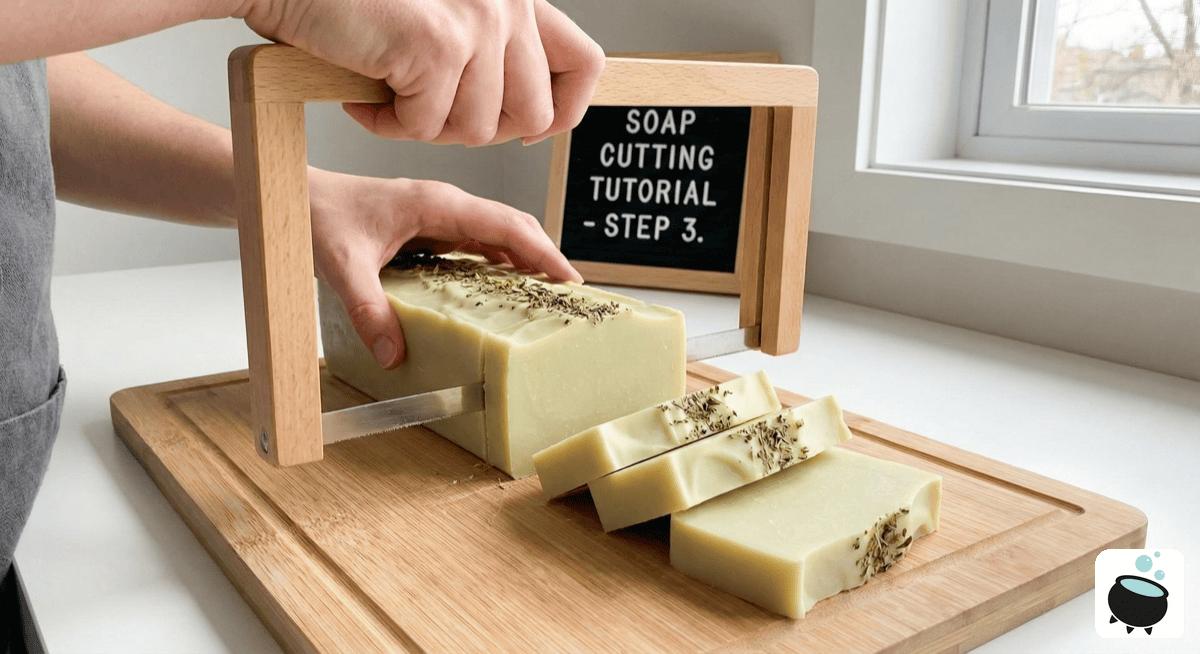
Curing is the resting period after soap is unmolded and cut. During this time, two important things happen:
- Water evaporation - Excess moisture leaves the bar
- Crystal structure formation - Soap molecules reorganize and stabilize
Curing is not the same as saponification. Saponification (the chemical reaction that creates soap) is largely complete within 24-48 hours. Curing is about the physical changes that happen afterward.
Why Does Soap Need to Cure?
Harder Bars
Fresh soap contains 30-40% water. As water evaporates, bars become denser and harder. Harder bars:
- Last longer in the shower
- Resist becoming mushy
- Feel better in hand
- Ship without denting
Better Lather
Cured soap produces creamier, more stable lather. Fresh soap's lather is often thin and fleeting.
Milder on Skin
While soap is skin-safe once zap-tested, cured soap is gentler. The crystal structure changes create a milder feel.
Longer Shelf Life
Fully cured soap resists going rancid longer than fresh soap. Moisture promotes oxidation.
How Long to Cure Different Soaps
| Soap Type | Minimum Cure | Optimal Cure |
|---|---|---|
| Cold Process | 4 weeks | 6-8 weeks |
| Hot Process | 1 week | 2-4 weeks |
| Castile (100% olive) | 6 weeks | 6-12 months |
| High Coconut | 3 weeks | 4-6 weeks |
| Salt Bars | 4-6 weeks | 8 weeks |
| Milk Soaps | 4-6 weeks | 6-8 weeks |
Why Castile Takes So Long
100% olive oil soap (Castile) is notoriously slow to cure. Olive oil creates a soft bar that needs extended time to harden. Many soap makers cure Castile for 6-12 months for best results.
Why Hot Process Is Faster
Hot process soap is cooked, which accelerates saponification and evaporates some water during the cooking process. It's technically usable immediately but still benefits from curing for hardness.
Optimal Curing Conditions
Environment Requirements
| Factor | Ideal | Avoid |
|---|---|---|
| Temperature | 60-75°F (15-24°C) | Extreme heat or cold |
| Humidity | 40-60% | High humidity (>70%) |
| Airflow | Good circulation | Stagnant, closed spaces |
| Light | Indirect/dark | Direct sunlight |
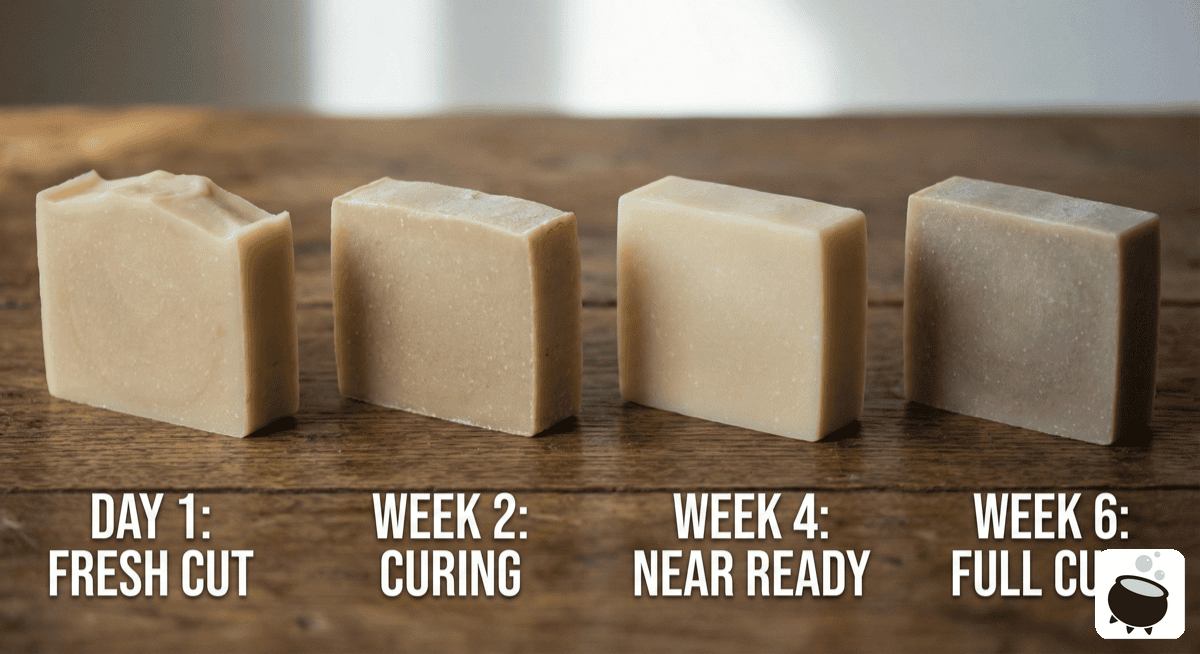
Setting Up a Curing Rack
Best practices:
- Use wire shelving or baker's racks
- Allow air circulation on all sides
- Space bars 1-2 inches apart
- Turn bars weekly (optional but helpful)
- Keep out of direct sunlight (fades colors)
Curing Storage Options
Ideal:
- Wire shelving in spare room
- Baker's rack in basement (if not too humid)
- Dedicated curing cabinet with ventilation
Acceptable:
- Cardboard boxes with lid off
- Paper-lined shelves
- Clean, dry garage (temperature permitting)
Avoid:
- Sealed plastic containers
- Humid bathrooms
- Direct sunlight
- Near strong odors
Tracking the Curing Process
Weekly Weight Check
Weigh a sample bar weekly to track water loss:
| Week | Weight | Loss |
|---|---|---|
| 0 (cut day) | 5.2 oz | — |
| 1 | 5.0 oz | 3.8% |
| 2 | 4.8 oz | 7.7% |
| 3 | 4.6 oz | 11.5% |
| 4 | 4.5 oz | 13.5% |
| 6 | 4.4 oz | 15.4% |
Most weight loss occurs in weeks 1-3. When weight stabilizes, the bar is cured.
Physical Signs of Cured Soap
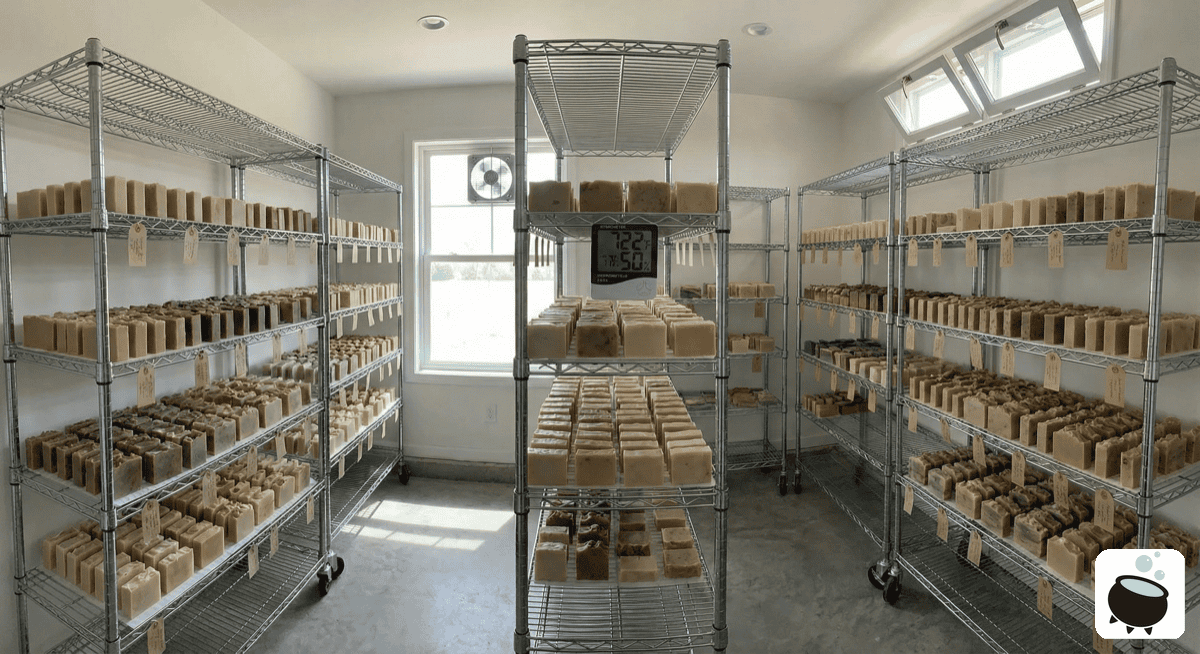
- Hardness - Firm when pressed, no give
- Weight - Noticeably lighter than fresh
- Color - May have lightened or changed
- Texture - Smooth, not tacky
- Ring test - Tap bars together; cured soap "clinks"
Common Curing Problems
Problem: Soap Won't Harden
Causes:
- Too much water in recipe
- High humidity environment
- Soft oil recipe (high olive/sunflower)
- Not enough cure time
Solutions:
- Extend cure time
- Improve airflow
- Use dehumidifier
- Adjust future recipes (water discount)
Problem: Soda Ash on Surface
What it is: White powdery coating (harmless sodium carbonate)
Causes:
- Uncovered soap during cure
- Humidity fluctuations
- Incomplete gel phase
Solutions:
- Steam off or wash off
- Spray with alcohol after pouring
- Ensure full gel phase
- Cover during first 24 hours
Problem: Dreaded Orange Spots (DOS)
What it is: Rancidity appearing as orange-brown spots
Causes:
- Old or rancid oils in recipe
- High superfat
- Poor storage conditions
- Too much unsaturated fatty acids
Solutions:
- Can't fix affected bars
- Use fresher oils
- Reduce superfat (3-5%)
- Add antioxidants (ROE, Vitamin E)
- Store in cool, dark place
Problem: Glycerin Rivers
What it is: Translucent rivers or spots in soap
Causes:
- Temperature fluctuations during saponification
- Titanium dioxide + high temps
Solutions:
- Purely cosmetic, soap is fine
- Control temperatures better
- Use lower soap temps
Cutting the Cure Time: Water Discounting
"Water discount" means using less water in your recipe than the standard amount. This results in:
- Faster trace
- Faster hardening
- Faster cure (less water to evaporate)
Standard vs. Discounted Water
| Method | Water Amount | Cure Impact |
|---|---|---|
| Full water | 38% of oils | Standard 4-6 weeks |
| Light discount | 33% of oils | May cure slightly faster |
| Heavy discount | 28% of oils | Noticeably faster cure |
Caution: Heavy water discounts make soap harder to work with (fast trace) and are not recommended for beginners.
Can You Sell Soap Before It's Fully Cured?
Technically, soap is safe to use once it passes the zap test (typically 24-48 hours). However:
- Customers expect quality; soft soap disappoints
- Uncured soap doesn't perform its best
- Returns and complaints may increase
- Your reputation depends on consistent quality
Best practice: Only sell fully cured soap (4+ weeks minimum).
Frequently Asked Questions
Can you over-cure soap?
No. Extended curing continues to improve hardness and mildness. Some premium soaps are cured 6-12 months. The only risk is fading fragrance over very long periods.
Why is my soap still soft after 4 weeks?
Possible causes: recipe has too many soft oils, too much water, high humidity curing environment, or the soap wasn't mixed to proper trace. Consider recipe adjustment for future batches.
Do I need to rotate soap while curing?
It's helpful but not mandatory. Rotating ensures even air exposure and prevents flat spots. Weekly rotation is sufficient if you choose to do it.
Can I cure soap in a plastic container?
Not recommended. Plastic traps moisture, slowing evaporation. Use open-air racks or cardboard boxes with good ventilation.
Does fragrance fade during curing?
Some fragrances fade, especially citrus and some essential oils. This happens regardless of cure time—it's a characteristic of those scents in cold process soap.
Can I use a dehumidifier to speed curing?
Yes, but be cautious. Very low humidity (under 30%) can cause cracking or excessive drying. Moderate humidity (40-50%) is ideal.
Conclusion
Proper curing transforms good soap into great soap. The patience required—4-6 weeks minimum—is rewarded with harder, longer-lasting bars that lather beautifully and feel gentle on skin.
Track your curing progress with batch records, noting cut dates, cure dates, and weight changes. Soap making software can automatically calculate cure completion dates and remind you when batches are ready for sale or use.
Never rush curing. Your customers will notice the difference, and your reputation depends on consistent quality.
Ready to Manage Your Recipes Like a Pro?
PotionHub helps soap and candle makers calculate lye, track batches, manage inventory, and grow their business.
Get PotionHub