How to Start a Soap Making Business: From Hobby to Profit
Learn how to turn soap making from a hobby into a profitable business. Covers legal requirements, pricing, marketing, and operations for handmade soap sellers.
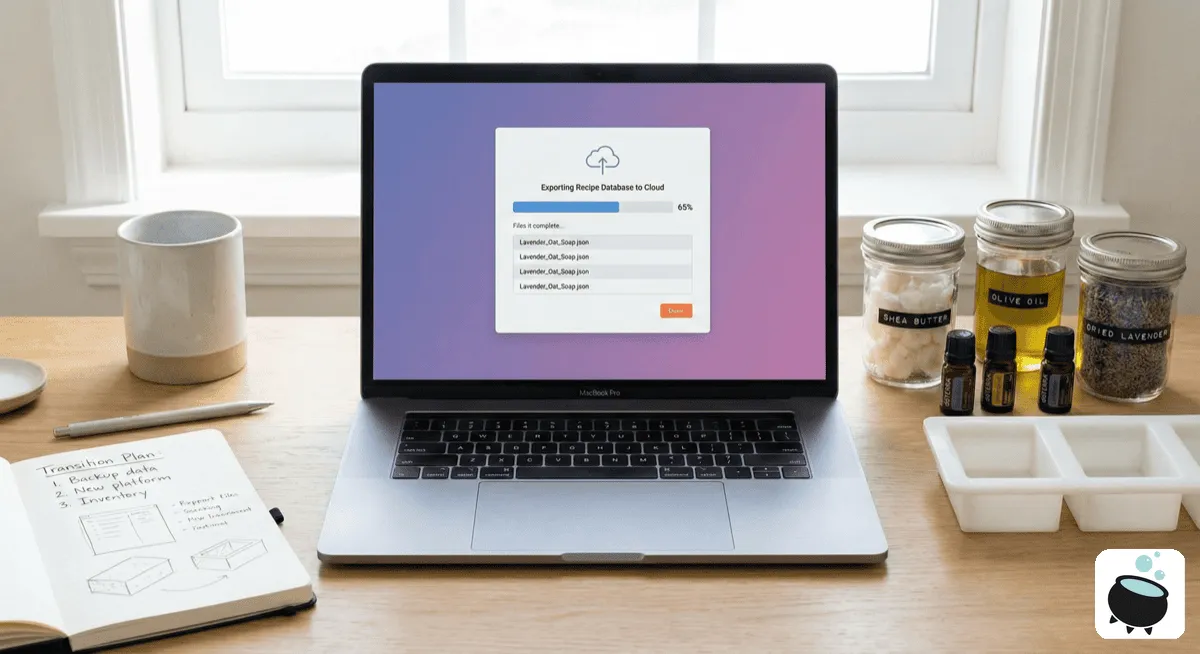
Quick Answer
Starting a soap business requires: mastering your craft, understanding regulations (FDA cosmetic guidelines, state requirements), proper insurance, professional branding, accurate pricing (3-4x material costs minimum), and sales channels (markets, online, wholesale). Most successful soap businesses start small and grow from consistent sales.
Is a Soap Business Right for You?
Before diving in, consider:
The reality:
- Margins are tighter than you think
- Marketing requires consistent effort
- Competition is significant
- Regulations exist and matter
- It's a business, not just craft time
Signs you're ready:
- You consistently make quality soap
- People pay for your soap (not just compliments)
- You understand your costs
- You're willing to handle business tasks
- You can produce consistently
Step 1: Master Your Craft First
Before Selling, You Need
| Skill | Why It Matters |
|---|---|
| Consistent recipes | Customers expect same product every time |
| Problem-solving | Handle batching issues confidently |
| Multiple techniques | Variety in your product line |
| Reliable suppliers | Know where to source everything |
| Batch documentation | Track production professionally |
Learn how to set up proper batch tracking in our batch tracking guide.
How Long Before Selling?
Most successful soap sellers made soap for 1-2 years before selling:
- Built recipe confidence
- Developed signature products
- Accumulated initial inventory
- Learned from failures privately
Step 2: Understand Legal Requirements
Federal (FDA) Requirements
In the United States, soap is regulated based on claims:
True Soap (less regulated):
- Made primarily from fats/oils and alkali
- Labeled and sold only for cleaning
- Limited claims ("cleans," "moisturizes")
Cosmetic Soap (more regulated):
- Makes beauty/skin claims
- Requires cosmetic labeling
- Must follow cosmetic safety standards
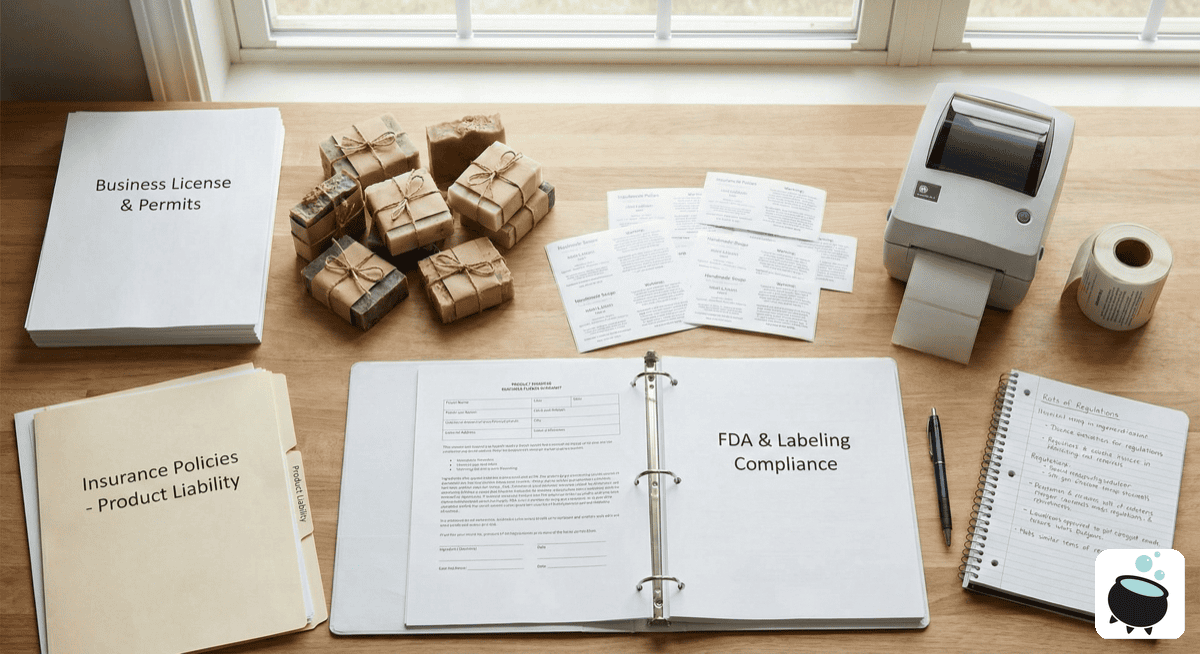
Typical Requirements
| Requirement | Description |
|---|---|
| Proper labeling | Net weight, ingredients, business name/address |
| Ingredient listing | INCI names in descending order |
| Business license | Varies by location |
| Sales tax permit | Required for retail sales |
| Product liability insurance | Protects against claims |
State and Local Requirements
Check your specific location for:
- Cottage food laws (may not cover cosmetics)
- Business registration
- Home occupation permits
- Sales tax collection requirements
- Health department rules
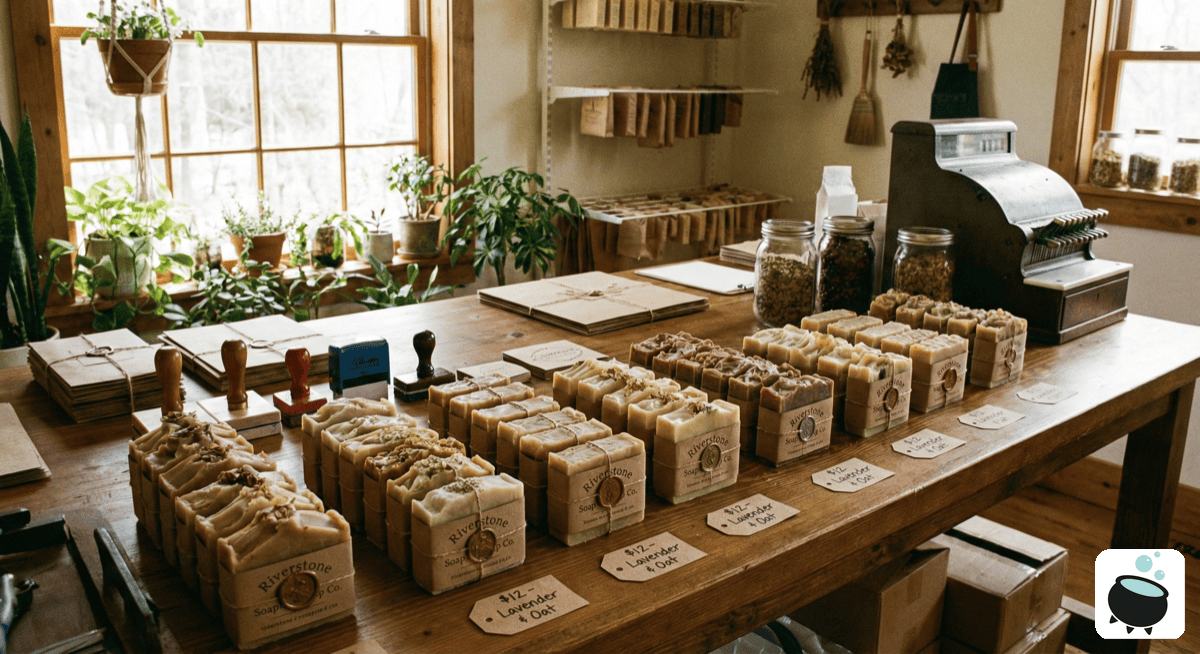
Step 3: Set Up Your Business Structure
Business Entity Options
| Structure | Pros | Cons |
|---|---|---|
| Sole proprietorship | Simple, cheap | Personal liability |
| LLC | Liability protection | More paperwork, fees |
| Partnership | Shared resources | Shared liability/decisions |
Most soap makers choose: Sole proprietorship to start, then LLC as they grow.
Essential Business Tasks
- Choose a business name - Check availability
- Register your business - With state/local authorities
- Get tax ID (EIN) - Free from IRS
- Open business bank account - Separate from personal
- Get insurance - Product liability coverage
Step 4: Calculate Your True Costs
Cost Categories
Direct costs (per batch):
- Oils, butters, lye
- Fragrances, colorants, additives
- Packaging (boxes, labels, wrap)
Indirect costs (spread across production):
- Equipment depreciation
- Website, software subscriptions
- Market fees, booth costs
- Insurance premiums
- Business licenses
Your time:
- Making soap
- Packaging
- Marketing, social media
- Market attendance
- Shipping, customer service
Pricing Formula
Minimum viable price:
Direct Costs × 3 to 4 = Retail Price
This covers costs, overhead, and profit. Many soap makers undercharge because they don't value their time. For a detailed breakdown, see our guide on how to price handmade soap.
Step 5: Create Your Product Line
Starting Product Line
Start focused:
- 5-8 core soap varieties
- Consistent look and branding
- Range of scent profiles (floral, herbal, fresh, etc.)
What Sells
Popular soap categories:
- Unscented/sensitive skin
- Lavender (always a bestseller)
- Citrus varieties
- Masculine scents
- Seasonal specialties
- Local/regional themes
Avoid These Mistakes
- Too many varieties too fast
- Complex designs that don't scale
- Trendy themes without staying power
- Products you love but customers don't buy
Step 6: Build Your Brand
Branding Elements
| Element | Purpose |
|---|---|
| Business name | Identity, memorable |
| Logo | Visual recognition |
| Color palette | Consistency across materials |
| Packaging style | Shelf appeal, professionalism |
| Voice/tone | How you communicate |
Packaging Considerations
- Must include required label information
- Should protect soap (shrink wrap, boxes)
- Needs to photograph well (online sales)
- Must be cost-effective at your scale
Step 7: Choose Sales Channels
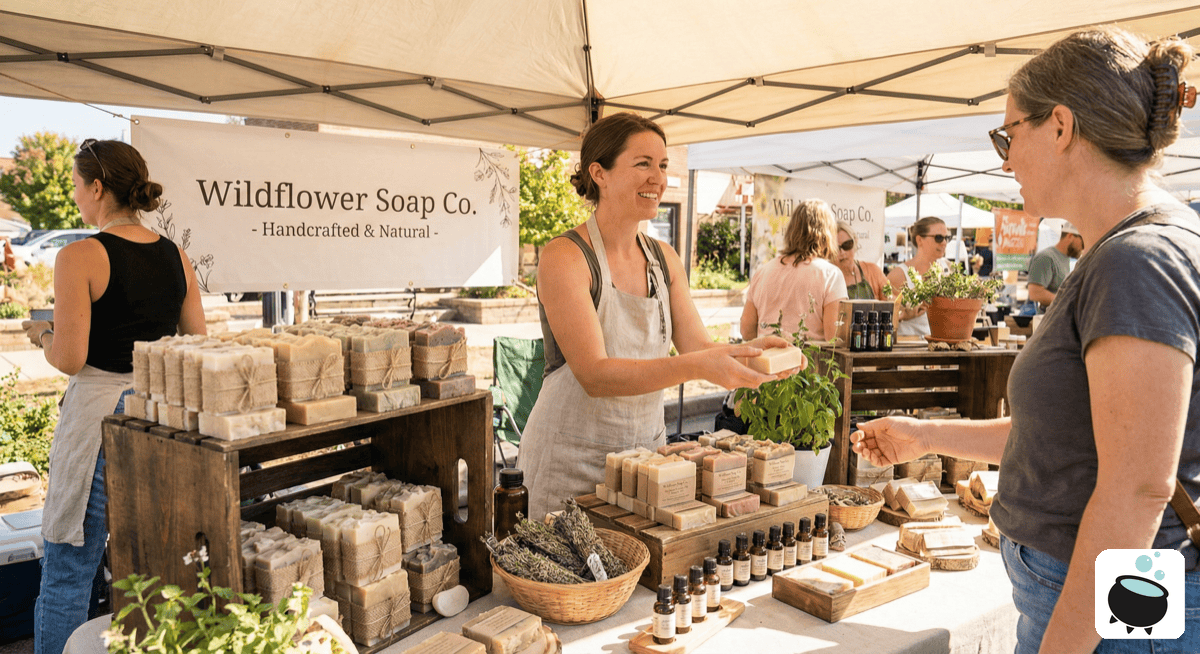
Farmers Markets / Craft Fairs
Pros:
- Direct customer interaction
- Immediate feedback
- Cash flow
- Local following
Cons:
- Time-intensive
- Weather-dependent
- Variable sales
- Booth fees
Online (Your Website)
Pros:
- Available 24/7
- Wider reach
- Control over presentation
- Customer data ownership
Cons:
- Need to drive traffic
- Shipping complexity
- Technical requirements
- Credit card fees
Etsy / Online Marketplaces
Pros:
- Built-in traffic
- Easy setup
- Trust established
Cons:
- Fees (listing + transaction)
- Competition
- Limited branding control
- Algorithm changes
Wholesale
Pros:
- Larger orders
- Recurring business
- Expanded reach
Cons:
- Lower margins (50% of retail)
- Terms and minimums
- Retailer requirements
Step 8: Manage Operations
Inventory Management
Track:
- Raw materials on hand
- Work in progress (curing soap)
- Finished goods ready to sell
Avoid:
- Running out of supplies before markets
- Over-producing slow sellers
- Losing money to expired ingredients
Production Planning
Balance:
- Cure time requirements (4-6 weeks ahead)
- Seasonal demand patterns
- Batch size efficiency
- Storage capacity
Record Keeping
Maintain:
- All batch records
- Sales by product
- Expenses by category
- Tax-relevant documentation
Financial Expectations
Startup Costs (Typical Range)
| Item | Low | High |
|---|---|---|
| Initial supplies | $200 | $1,000 |
| Equipment | $100 | $500 |
| Business registration | $50 | $300 |
| Insurance | $200 | $500/year |
| Website | $0 | $300/year |
| Packaging/branding | $100 | $500 |
| Total | $650 | $3,100 |
First Year Reality
Honest expectations:
- Months 1-3: Mostly setup, minimal sales
- Months 4-6: Building inventory, testing markets
- Months 6-12: Gaining traction, learning what sells
- Year 1 profit: Often $0 to small profit
Most soap businesses take 2-3 years to become consistently profitable.
Frequently Asked Questions
Do I need insurance to sell soap?
Highly recommended. Product liability insurance protects you if someone claims injury from your soap. Policies start around $200-500/year.
Can I sell soap from home?
Yes, in most areas. Check local zoning laws and home occupation permits. Some locations require separate business premises for manufacturing.
How much can you make selling soap?
Varies wildly. Side income: $500-2,000/month is achievable with consistent effort. Full-time income: possible but requires significant scale, multiple channels, and years of building.
Do I need to register with the FDA?
FDA doesn't require registration for soap, but you must follow labeling requirements. If making cosmetic claims, additional regulations apply.
How do I price my soap competitively?
Don't compete on price alone—that's a losing strategy. Price for profitability, then compete on quality, uniqueness, customer service, and branding.
What's the biggest mistake new soap sellers make?
Underpricing. Charging $4 for a bar that costs $2 to make leaves no room for overhead, time, or profit. Know your true costs.
Conclusion
Starting a soap business is achievable but requires more than making good soap. You need business skills, legal compliance, realistic pricing, and persistence through the challenging early stages.
Start small. Test at local markets. Learn what sells. Refine your operations. Scale gradually based on actual demand, not wishful thinking.
Many successful soap makers use soap making software to manage the business side—tracking recipes, batches, inventory, and costs—so they can focus on what they love: making great soap.
Ready to Manage Your Recipes Like a Pro?
PotionHub helps soap and candle makers calculate lye, track batches, manage inventory, and grow their business.
Get PotionHub